
Dog camping beds are a useful example of how pet supplies can shift from a household product into a scene-based outdoor category. The product looks simple at first: a mat, pad, cot, or foldable bed for dogs. But the commercial logic is different from an ordinary indoor dog bed.
An indoor dog bed is usually sold around comfort, home decor, size, and washability. A dog camping bed is sold around outdoor friction: damp ground, tent condensation, uneven surfaces, mud, storage volume, car packing, cleaning, and the owner’s desire to bring the dog into weekend travel.
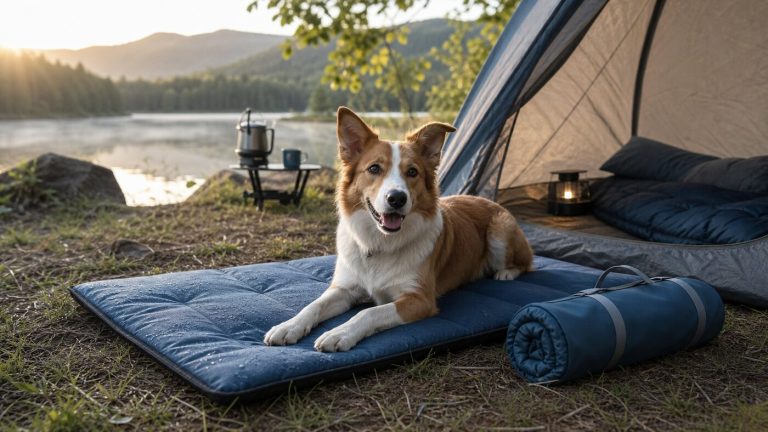
The source article behind this analysis focuses on the Chinese cross-border ecommerce view of “dog camping bed” and “pet camping mat” products. We reviewed both the visible article text and the image-based tables in the original post. The useful takeaway is not that every seller should immediately copy the same SKU. The useful takeaway is that outdoor pet gear is turning ordinary pet products into occasion-specific products.
That matters for manufacturers, Amazon sellers, private-label brands, distributors, and pet product entrepreneurs because it changes the product brief. The question is no longer only “Can this dog sleep on it?” The question becomes “Can this product survive a campsite, fit in a car, stay dry, pack small, clean quickly, and create believable outdoor content?”
Why outdoor use changes the product logic
Camping with a dog creates problems that do not appear in a living room.
Tent floors can be cold or damp. The ground may be uneven, dusty, muddy, or covered with small stones. A dog that sleeps directly on the ground may be uncomfortable, especially after a long day of hiking or travel. Bringing a thick memory-foam indoor bed is possible, but it often takes too much trunk space and may be difficult to clean after outdoor use.
That is the gap dog camping beds try to fill.
The core promise is not luxury. It is portable protection: a defined place for the dog to rest, a barrier against moisture, and a product that the owner can pack without treating it like home furniture.
This is part of a broader category pattern. In our analysis of China’s pet supplies market moving from volume growth to category upgrades, we argued that product categories become more valuable when they attach to specific use cases. Dog camping beds fit that pattern. The product is not just “a dog bed.” It is a travel and outdoor accessory.
Four product formats buyers should understand
The source article identifies four main product formats. Each has a different buyer, price point, and supply-chain requirement.
The first is the folding or roll-up mat. This is usually the simplest version: lightweight, compact, relatively low cost, and easy to ship. It can work well for casual camping, picnics, beach trips, and car travel. The weakness is comfort. If the filling is too thin, the product may feel like a blanket rather than a bed.
The second is the inflatable pet bed. This format can offer better cushioning and moisture separation, but it adds puncture risk, inflation work, and possible air leakage complaints. It may appeal to outdoor enthusiasts, but it needs stronger material testing and clearer instructions than a simple mat.
The third is the elevated cot. These products lift the dog off the ground, improve airflow, and keep the sleeping surface away from wet soil or insects. They can work well for summer camping and backyard use. The tradeoff is pack size and weight. A cot may be harder to ship, store, and carry than a mat.
The fourth is the padded waterproof soft mat. This is often the most practical middle ground: thicker than a basic roll-up pad, easier to use than an inflatable product, and more portable than a cot. For many sellers, this is the format worth studying first because it can support a mid-price offer without becoming too complex.
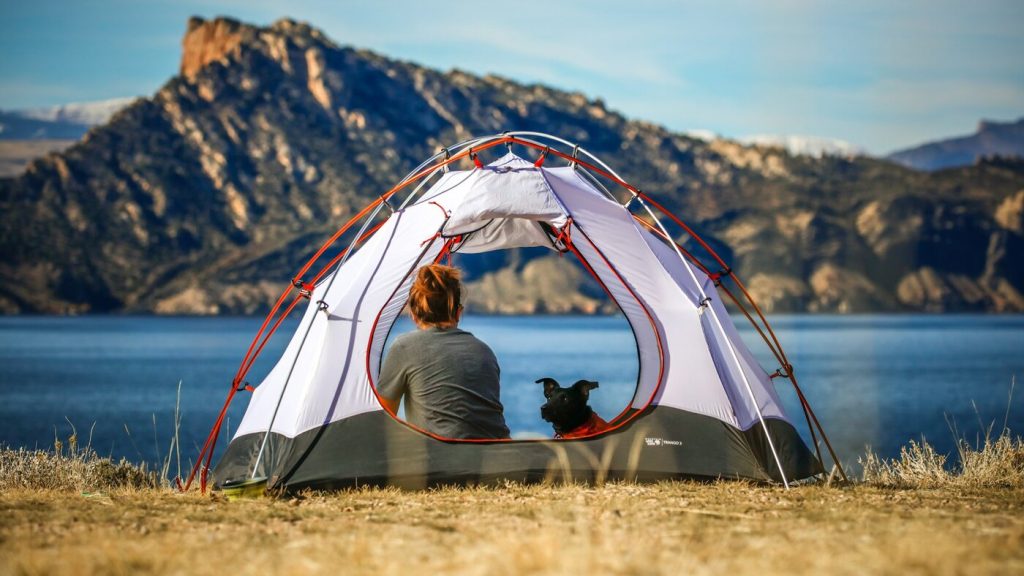
For B2B suppliers, these formats should not be treated as interchangeable. A factory good at sewing waterproof padded mats may not be the best partner for metal-frame cots. A brand that wants to win on packability should not select the same structure as a brand that wants to win on orthopedic comfort.
The five buyer complaints that shape the product brief
The source article summarized more than 500 Amazon review complaints and identified five recurring issues. They are exactly the issues a supplier should solve before presenting the product to a serious buyer.
First, the bottom slips. Owners complain when a dog moves and the mat slides around on a tent floor, car floor, or campsite surface. The design answer is an anti-slip base, such as silicone dots, PVC dotting, or a textured bottom surface.
Second, the packed size is too large. This is a major outdoor problem. If the mat takes up more space than expected, the buyer may leave it at home after the first trip. Compression bags, straps, and a clear packed-size specification can be more persuasive than a vague “portable” claim.
Third, the fabric tears or snags. Outdoor use is harsher than indoor use. Dog nails, sticks, stones, and repeated folding can expose weak fabric quickly. The source article points to heavier Oxford fabric and reinforced edging as practical upgrades. In product development terms, tear resistance and edge construction should be treated as visible quality signals.
Fourth, water seeps through. This is the central promise of the category. A camping mat that fails in damp conditions is just an outdoor-looking dog blanket. PU or TPU coating, laminated layers, and seam choices should be tested against real use, not only described in listing copy.
Fifth, the mat is not comfortable enough. This is where the category can move beyond low-end price competition. Better padding, high-resilience filling, or segmented cushioning can create a reason to pay more, as long as the product still packs reasonably small.
These complaints also explain why the best opportunity is not necessarily the cheapest SKU. A very low-cost mat can attract clicks, but if it slips, leaks, tears, or packs poorly, it creates returns, bad reviews, and weak repeat purchase.
The sourcing economics point to a middle-price opportunity
The original article uses a medium waterproof folding mat of roughly 90 x 60 cm, using 600D Oxford fabric with waterproof coating, as its example. Its sourcing table places 1688 supply cost roughly from RMB 15 to RMB 80 per piece depending on specification, with many factories using minimum order quantities around 200 to 500 pieces, and some allowing smaller trial orders.
The same table frames Amazon retail pricing broadly around $20 to $45, with branded versions sometimes higher, and estimates gross profit potential around $10 to $25 per piece before all operating costs. These should be treated as directional ecommerce assumptions, not guaranteed profit.
The important lesson is the price band. If the product is too cheap, it competes directly with generic mats and low-trust listings. If it is too expensive, it has to justify itself against stronger outdoor brands. The more realistic opening may sit in the middle: a $20 to $35 waterproof folding mat with anti-slip base, compression carry bag, reinforced edges, and credible outdoor content.
This connects directly to our earlier warning about why low-ticket pet accessories stores lose money on ads. A dog camping mat can look like a simple low-ticket accessory, but the economics improve when the product is part of a scenario: camping kit, car travel bundle, beach trip set, hiking weekend pack, or summer outdoor collection.
For factories, that means the buyer may need more than a unit quote. They may need packed-size data, sample bundles, water-resistance tests, fabric options, anti-slip base choices, and content-ready product scenes.
Competition is split across three lanes
The source article divides the competitive field into three broad groups.
Specialized outdoor and pet brands such as Ruffwear, Kurgo, and K&H tend to sell at higher price points, roughly in the $35 to $60 range in the source table. Their strength is trust, design, brand fit, and outdoor credibility.
Amazon value brands and mainstream marketplace products, including names such as AmazonBasics, Chuckit!, and Frisco, sit closer to the $15 to $30 range. Their strength is discoverability, price accessibility, and basic function.
White-label and 1688-sourced products can appear around $10 to $20, but quality can be inconsistent. This is where many sellers compete only on price, which makes review quality and returns more dangerous.
The opportunity is not to attack every lane at once. A smaller brand or supplier should pick a narrow position. One possible position is the mid-price functional mat: better than a generic no-name pad, cheaper and simpler than premium outdoor gear, and built around the specific problems that customers complain about.
For B2B operators, this is a sourcing and merchandising question. The winning product may not have the most complicated structure. It may simply solve the visible review problems better: waterproof base, anti-slip surface, compact packed size, reinforced fabric, and enough padding to feel like a real sleeping surface.
Channel strategy should start with the use scene
Dog camping beds are visual products. The use case is easier to show than to explain.
For TikTok and Instagram, the best content is not a studio product spin. It is a real sequence: tent setup, dog settling on the mat, water poured onto the surface, the mat wiped clean, the product rolled into a carry bag, and the owner placing it in the car. The content should prove the product’s claims quickly.
For YouTube, comparison content can work better: five camping mats tested for waterproofing, packed size, durability, and comfort. This format supports trust because the buyer can see tradeoffs, not just claims.
For Amazon, the listing should make the functional hierarchy obvious: waterproof, anti-slip, portable, easy to clean, durable fabric, suitable size, packed dimensions. If those points are buried under lifestyle language, the product may fail to answer the buyer’s practical questions.
For independent ecommerce, bundles may matter. A camping sleep kit could combine a pet camping mat, collapsible bowl, travel water bottle, towel, and small carry pouch. That raises average order value and makes the product less dependent on one low-ticket SKU.

This is also where the product fits a wider opportunity-lane mindset. In our article on pet business opportunity lanes for entrepreneurs and B2B operators, we argued that niche pet supplies work best when they combine a clear problem, channel fit, and repeatable supply-chain support. Dog camping beds are a good test case for that framework.
Compliance and naming should not be ignored
The original article notes that outdoor mats may not have the same certification burden as regulated pet health products. That is directionally true, but sellers should not treat the category as compliance-free.
Waterproof coatings, dyes, fabric treatments, packaging, and market-specific chemical restrictions can still matter. For Europe, buyers may ask about chemical compliance and material documentation. For the U.S., retailers and platforms may still expect clear materials, care instructions, and truthful claims. For any market, exaggerated waterproof, orthopedic, or indestructible language can create trust problems if the product does not perform.
The source article also suggests using a customs or product name closer to “Pet Camping Mat” rather than a generic “Dog Bed” when the product is actually a portable outdoor mat. That is a useful operational point. Naming should match real product function, because it affects listing positioning, documentation, and buyer expectations.
Our view
Dog camping beds are not likely to become the largest pet supplies category. But they are a strong example of how outdoor lifestyle behavior creates new product briefs inside mature categories.
The category is attractive because it is understandable, visual, seasonal but not limited to one month, and suitable for bundles. It is also risky because many products look similar, review problems are easy to expose, and cheap versions can pull the market into price competition.
For manufacturers, the opportunity is to build a better product system around waterproof fabric, anti-slip base, compact packing, reinforced construction, and market-ready content support.
For sellers and private-label brands, the opportunity is to avoid treating the product as just another dog bed. The stronger angle is outdoor rest infrastructure: a portable sleeping surface for camping, car travel, beach days, RV trips, hiking weekends, and backyard use.
Our editorial view is that the category is worth watching because it shows where pet supplies are heading. Growth is not only coming from new product types. It is coming from old product needs being rebuilt around more specific scenes.